House exterior · Mediterranean · colors from 6 paintings
Mediterranean Exterior Paint Color Schemes
Mediterranean exterior colors are warm sand, ochre, clay and a pale trim, with doors in dark brown, green or wine. Each scheme here is built from colors measured in a painting.
Quick answer
Choose sand #D1C2A2 or ochre #AD824E for the walls, light trim #DCE2DD, and a dark bronze door such as #504532.
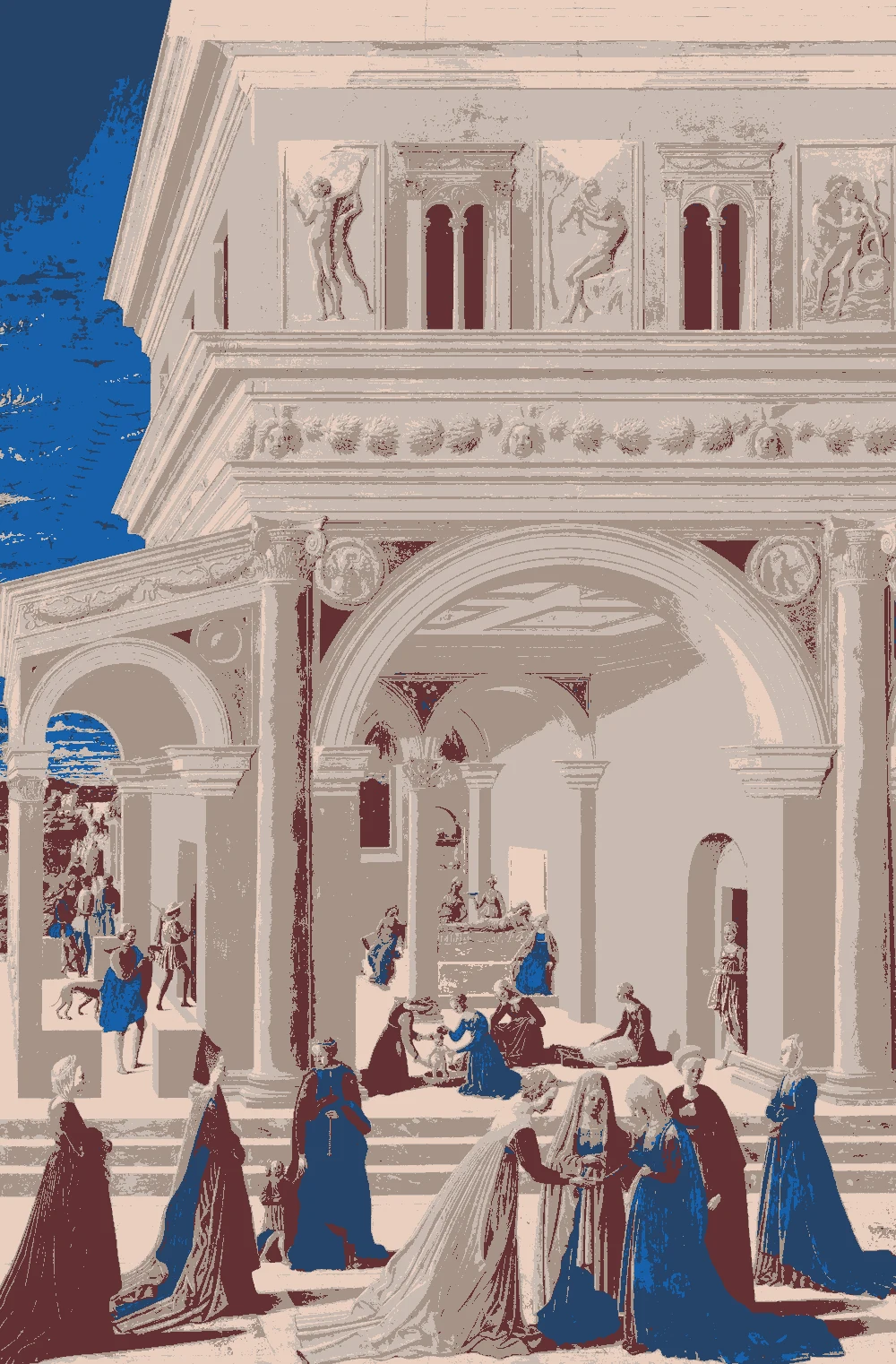
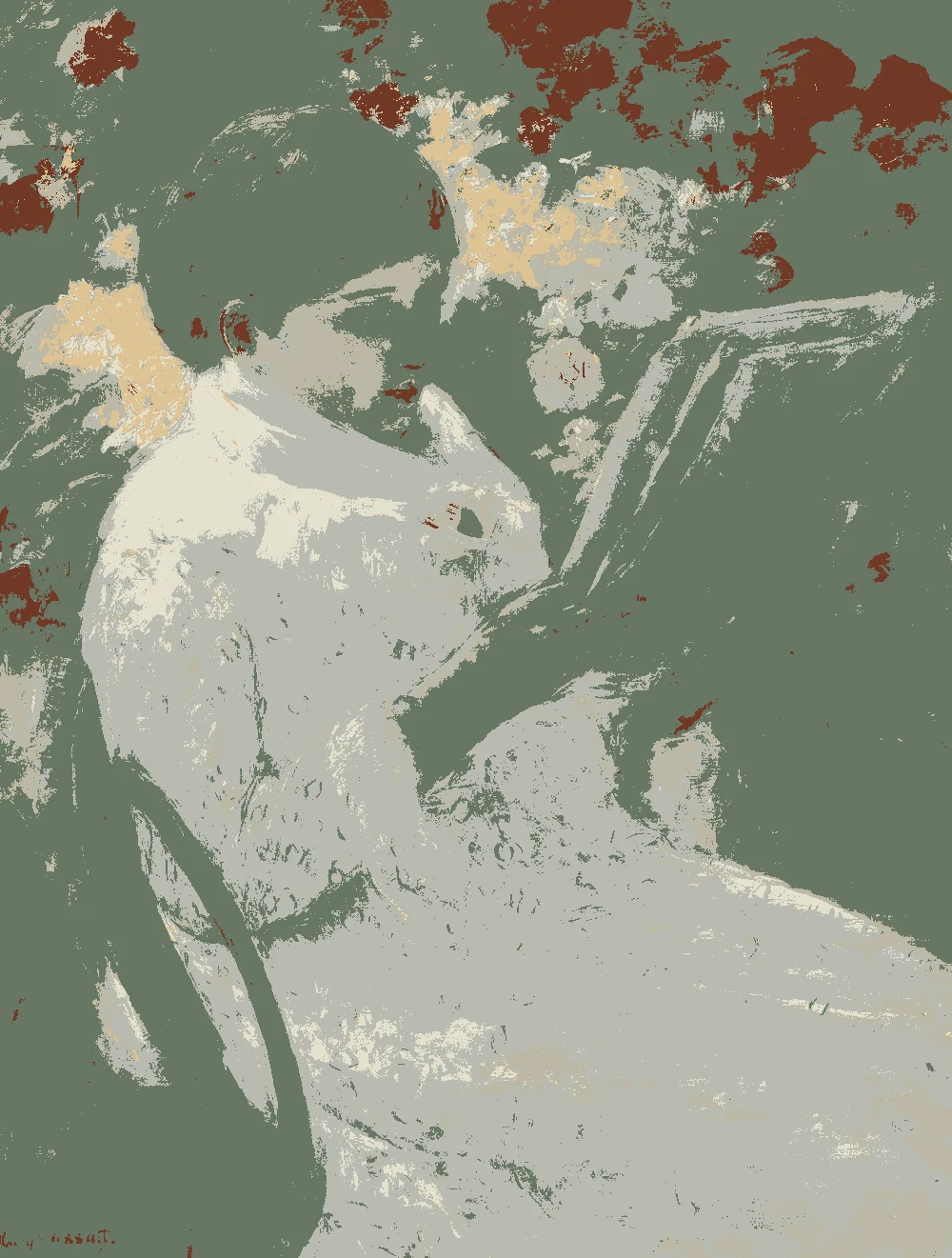
Every wall, trim and door color here was measured from one of these public-domain paintings.
4 complete exterior color schemes
Walls, trim, front door and roof together. Each scheme takes its colors from public-domain paintings, so the pairings are ones a painter already put side by side.
Sand and bronze
Walls #D1C2A2
Trim #DCE2DD
Front door & shutters #504532
Roof: charcoal
Sand walls with chalk trim and a bronze door on a ranch with a charcoal roof. It is the lightest, calmest scheme.
Exterior paint is seen in much stronger light than a room. Full sun bleaches a color by a shade or two, while the shaded side of the house and overcast days pull it cooler and darker. Test a large sample on two sides of the house.
Color
Swatch
Full sun
Overcast
In shade
Golden hour
Sand stucco LRV 55
Golden ochre LRV 25
Terracotta clay LRV 12
Clay taupe LRV 31
Pale chalk trim LRV 75
Try these colors on a house
Pick a color for the walls, the trim, the front door and the roof, and switch between house styles. Shadows and siding lines follow your choice.
Roof colors are typical shingle, tile and metal colors, not paint. Every other color comes from a painting on this page.
Colors for the walls
#D1C2A2LRV 55
Sand stucco
A light warm sand at LRV 55 from Bicci di Lorenzo's Saint Nicholas Providing Dowries. It is the lightest wall color here and suits stucco.
Mediterranean houses are usually warm. Sand, ochre, clay and soft taupe are the base, and they suit stucco, plaster and tile roofs. The four wall colors here range from LRV 12 to 55.
Trim and accent colors do the rest of the work. A pale trim such as #DCE2DD frames the openings and keeps the warm walls from looking heavy. Doors and shutters in dark brown, sage, brass or wine add character.
If your house has a red tile roof or brick, choose walls that sit between the roof and the trim. The warm taupe or the sand usually works.
Think about the garden too. Olive trees, terracotta pots and green shrubs all sit well with these colors, and they can do the work of an accent color for you.
How do I choose between sand, ochre and clay?
Sand #D1C2A2 is the lightest and the easiest, since it reflects light and hides dust. Ochre #AD824E is more distinctive and suits larger houses. Clay #825744 is the darkest and works best where there is a lot of sun and plenty of trim contrast.
The lighter the wall, the less contrast you need. The darker the wall, the more the trim and door matter.
Taupe #A69388 is the most neutral and sits well beside stone or gray paving. Choose it if you want the Mediterranean look without strong yellow.
Ochre has a stronger yellow undertone than the sand, and it shows more on a sunny wall. If you are not sure, ask for a sample in both and look at them on the same wall, in the afternoon, when the sun is lowest and most golden.
How should trim and doors work with the walls?
Use one pale trim color on all four schemes. The chalk #DCE2DD has an LRV of 75, so it stands out from every wall color here. Use it on window frames, fascia and the garage door.
The door should be darker or more saturated than the trim. The bronze #504532 is the quietest. The sage #677663 gives a soft contrast against ochre. The wine #633135 is the boldest.
Shutters and doors can share one color. If your house is dark, a brass door such as #A48D61 can add life without adding weight.
If your house has a lot of stone or tile in warm colors, keep the trim simple. One pale color on all trim, and a single door color, is better than adding extra accent colors that fight the stone.
How do I test Mediterranean exterior colors?
Warm colors shift a lot outdoors. In full sun, ochre and sand look lighter and yellower. In shade, they look browner and cooler. Paint large boards and place them on a sunny wall and a shaded wall.
Check each sample next to the roof, the paving and any stone. A mix of warm tones can clash if their undertones differ.
Look at them in the morning, at noon and in the evening. If you are between two walls, the darker one is the safer choice for a sunny site, since sun bleaches paint.
On a stucco wall, test on a small patch, since the rough texture holds more paint and looks deeper than a smooth board. Paint a patch at least two feet wide near a corner so you can see how the color turns where two walls meet.
FAQ
What colors are Mediterranean house colors?
Sand, ochre, terracotta and warm taupe are the usual wall colors, with pale trim and dark doors.
What trim color goes with Mediterranean walls?
A pale neutral, such as #DCE2DD (LRV 75), contrasts clearly with every wall color here.
What door color suits a Mediterranean house?
Dark bronze, sage green, antique brass and wine red all appear in the schemes above.
What roof goes with these colors?
Each scheme names a roof: charcoal, weathered wood or brown.
Do these colors work on stucco?
Yes, and the sand and ochre are especially common on stucco. Test large samples, since stucco texture changes the look.
Save these colors
A card with these house color schemes: walls, trim, front door and roof. Pin it, or take it to the paint store.
Painting images: The Metropolitan Museum of Art, The Art Institute of Chicago, public domain (CC0).
Colors measured by Light & Pigment. Paint names belong to their brands and matches are approximate. Colors look different on screen than on a wall, so always test a sample.