House exterior · Traditional · colors from 8 paintings
Classic House Color Combinations: Four Exterior Schemes
Classic house color combinations pair one calm wall color with clear trim and a deeper door. These four traditional exterior schemes come from museum paintings and include the roof color.
Quick answer
For the safest classic look, use sand #D4C2A7 walls with #DDDED8 trim and a dark brown #5F3D23 door and shutters under a charcoal roof.
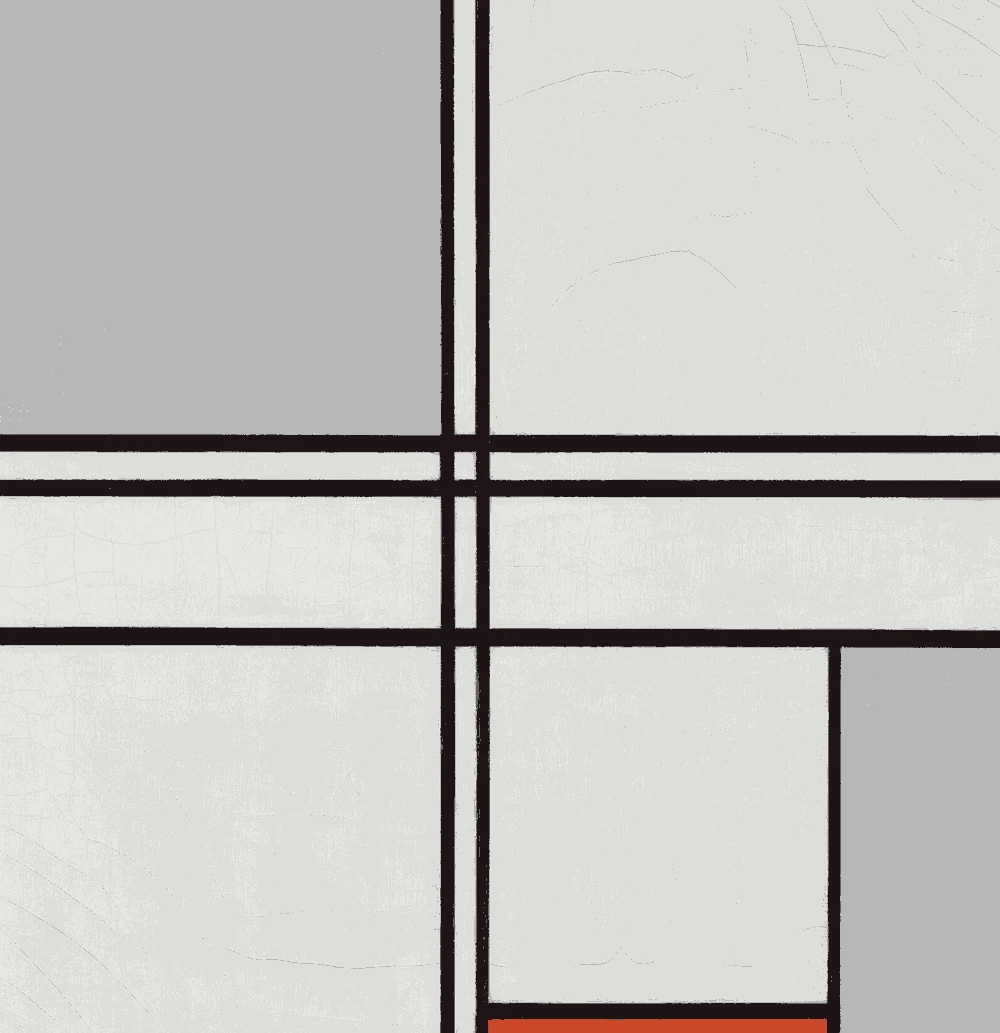
Every wall, trim and door color here was measured from one of these public-domain paintings.
4 complete exterior color schemes
Walls, trim, front door and roof together. Each scheme takes its colors from public-domain paintings, so the pairings are ones a painter already put side by side.
Sand Colonial
Walls #D4C2A7
Trim #DDDED8
Front door & shutters #5F3D23
Roof: charcoal
Sand walls with soft white trim and a dark brown door and shutters suit a two-story colonial. A charcoal roof keeps the look calm.
Exterior paint is seen in much stronger light than a room. Full sun bleaches a color by a shade or two, while the shaded side of the house and overcast days pull it cooler and darker. Test a large sample on two sides of the house.
Color
Swatch
Full sun
Overcast
In shade
Golden hour
Sand Beach Wall LRV 55
Bracing Blue Wall LRV 26
Window Pane Wall LRV 68
Riverway Slate Wall LRV 14
Fleur Trim White LRV 73
Try these colors on a house
Pick a color for the walls, the trim, the front door and the roof, and switch between house styles. Shadows and siding lines follow your choice.
Roof colors are typical shingle, tile and metal colors, not paint. Every other color comes from a painting on this page.
Colors for the walls
#D4C2A7LRV 55
Sand Beach Wall
A light warm sand with an LRV of 55, the softest wall color here. It comes from Jan van de Cappelle's A State Yacht and Other Craft in Calm Water, ca. 1660.
A deep cool blue-gray with an LRV of 14, the darkest wall color here. It comes from Claude Monet's Arrival of the Normandy Train, Gare Saint-Lazare, 1877.
A light neutral with an LRV of 66, a soft trim beside a dark wall. It comes from Claude Monet's Arrival of the Normandy Train, Gare Saint-Lazare, 1877.
A very dark red-brown with an LRV of 6, for a front door and shutters on a sand house. It comes from Jan van de Cappelle's A State Yacht and Other Craft in Calm Water, ca. 1660.
A very dark green with an LRV of 2, almost black, for doors and shutters on a dark house. It comes from Joachim Patinir's The Penitence of Saint Jerome, ca. 1515.
How do you choose the wall color for a classic exterior?
Start with what cannot change. The roof, brick, stone and foundation are fixed, so the wall color must agree with them. All four schemes here use a charcoal or black roof, which pairs with both warm and cool walls.
The sand #D4C2A7 is the easiest wall color. Its LRV of 55 reads light, and its warm yellow undertone suits brick and stone with a warm cast. The blue #798F9B and the slate #596A6A suit a house with gray stone or a black roof. The pale green #CFDAD2 has an LRV of 68, so it makes a house look larger and brighter.
If you are unsure, choose the lighter color. A wall color will look stronger across a whole house than it does on a small chip. The darker slate, with an LRV of 14, works best on a house with trees or a large lot, where the dark mass looks natural.
How much contrast should trim and the front door have?
Classic schemes use clear contrast. A light wall with light trim, such as the sand with #DDDED8, looks soft. A light wall with black trim, such as the pale green with #23201C, looks sharp and graphic.
A dark wall needs lighter trim to define it. On the slate #596A6A, the pale trim #CED5D9 has an LRV of 66 and outlines windows and corners clearly. The shutters and door go darker, in the near-black green #282C1A.
Choose the front door by temperature. The brown #5F3D23 and #A58161 suit warm and blue walls. The jadite #57816A suits a pale wall and adds the most color. Keep the door and shutters the same on a classic house. Two different shades will make it look busy, and the point of a classic scheme is that every color has a clear job.
How do exterior colors look in sun and in shade?
Outdoor light is much stronger than indoor light, so colors look lighter in full sun and cooler in shade. This is why you should choose one shade darker than you think.
The sand #D4C2A7 can look almost white at midday on a south wall, and golden at sunset. The blue #798F9B looks brighter in sun and grayer on a north wall under trees. The slate #596A6A is the most stable, because its low LRV keeps it from washing out.
Trim shows the most difference. The soft white #DDDED8 will look bright against the sand but dull next to a bright blue sky. If the house is shaded most of the day, avoid the cool pale tones on the wall and choose the sand or the blue, which hold their color. Look at your house in the morning, at midday and in the evening before you decide.
How do you test exterior paint samples?
Paint a large board, at least two feet square, in each wall color you are considering. Use two coats and prime if the surface is dark.
Place the boards on two sides of the house, one in the sun and one in the shade. Look at them at different times of day and in different weather. Put the trim sample next to the wall board, and check how the door color looks against both.
The paints listed with each color are the closest measured matches. The black trim lists a close match from one brand only, and the dark green door lists a close match from another, so you may need to ask a store to mix from the hex. Check the sample beside your roof and any brick or stone, and wait a few days before you order enough paint for the whole house.
FAQ
What are classic house color combinations?
A single calm wall color, a lighter or darker trim, and a front door and shutters in a deeper color. The four schemes on this page follow that pattern.
What color trim goes with a classic exterior?
Soft white such as #DDDED8 is the safest. Black trim #23201C gives more contrast on a pale wall.
What roof color suits classic exterior schemes?
Charcoal and black, which match both warm and cool walls. The schemes on this page use one of the two.
Is a blue house a classic color?
Yes. The blue #798F9B with white trim and a brown door is a traditional scheme for a colonial.
How do I pick a front door color for a classic house?
Choose a deep brown, green or near-black from this page, and use the same color on the shutters for a unified look.
Save these colors
A card with these house color schemes: walls, trim, front door and roof. Pin it, or take it to the paint store.
Painting images: The Metropolitan Museum of Art, The Art Institute of Chicago, public domain (CC0).
Colors measured by Light & Pigment. Paint names belong to their brands and matches are approximate. Colors look different on screen than on a wall, so always test a sample.