White Paint Colors for Walls, Compared by Undertone
Every white on this page is very light, with an LRV between 74 and 78, but each leans a different way. One is pink, one is warm, two are neutral and one has a hint of green. The colors below were measured from paintings and matched to the nearest paints.
Quick answer
For a neutral white, choose #E5E0DC. For a warmer white, choose #F3DED5. Use #763F25 or #AE9874 as the dark and mid-tone partners.
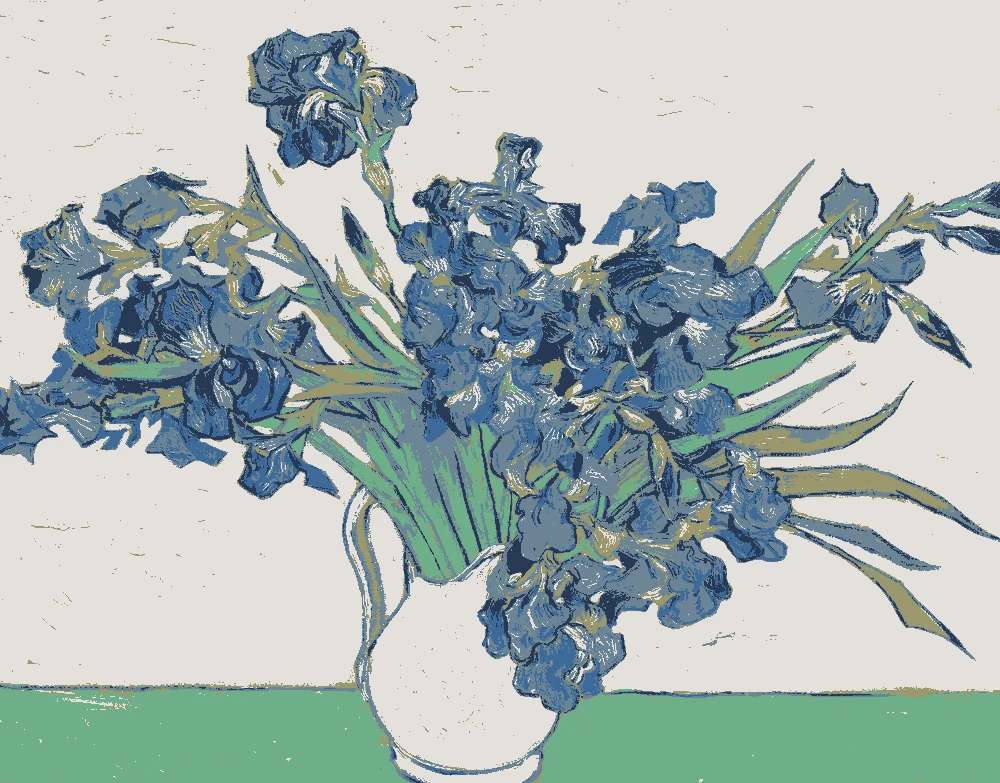
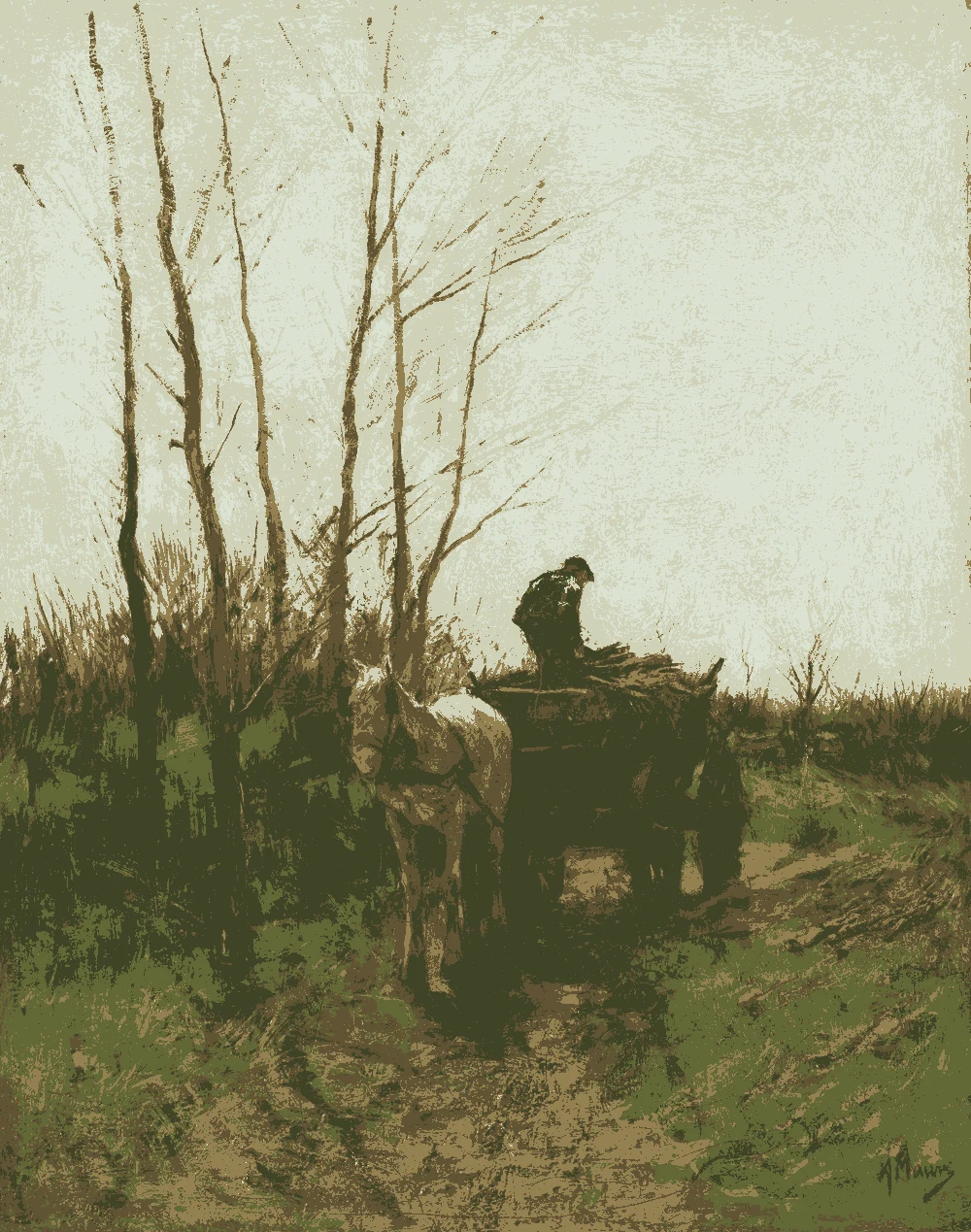
Every color on this page was measured from one of these public-domain paintings.
Shades of white
#EDE1E6LRV 78
Blush Mist White
The lightest white here at LRV 78, with a pink-red undertone. It suits a bedroom wall and was measured from Branch of the Seine near Giverny (Mist) by Claude Monet.
A very light white at LRV 76 with a warm red-orange undertone, close to what people call a bone or almond white. It comes from Portrait of a Woman by Jean Marc Nattier.
A light cool blue at LRV 64 that sits well next to whites on a ceiling or an accent wall. It comes from Branch of the Seine near Giverny (Mist) by Claude Monet.
A deep red-orange brown at LRV 8 for a door, a mantel or wood furniture against white walls. It was measured from A Mexican Vaquero by Frederic Remington.
The same paint reads differently in cool north light, warm south sun and under evening lamps. Find the column closest to your room.
Color
Neutral daylight
North light
South light
Evening lamps
Blush Mist White
Warm Shell White
Cool Frost White
Soft Neutral White
Pale Mint White
Pale Lavender Blue
Try these colors in a room
Pick which color goes on the walls, the big furniture and the bold piece. Floors, shadows and trim follow your choice.
The framed picture on the wall is Branch of the Seine near Giverny (Mist).
How do you choose the best white paint for walls?
Start with the undertone, not the name. All five whites here are within four LRV points of each other, so they reflect nearly the same amount of light. What changes is the tint. #EDE1E6 leans pink, #F3DED5 leans warm, #DAE4E4 and #E5E0DC stay neutral and #DBE2D3 leans green.
If you want a white that disappears, choose #E5E0DC. Its closest measured matches are Original White from Sherwin-Williams, White Opal from Behr and Strong White from Farrow & Ball. For a softer, bone-like white, #F3DED5 is the one to try.
A pink or green tint only shows up on a large wall, so judge it there and not on a chip.
Remember that a higher LRV does not always look better. The lightest white, #EDE1E6 at LRV 78, shows shadows less but can feel cool or sharp in a large room with big windows.
What goes with white walls: trim, ceiling and floors?
With white walls, you can keep the trim and ceiling in the same color for a seamless look. A slightly lighter ceiling, such as #EDE1E6 over #E5E0DC walls, adds depth without a visible line.
For contrast, the copper brown #763F25 has an LRV of 8 and works on a front door, a mantel or dark wood floors. The burlap tan #AE9874 sits in the middle at LRV 33 and fits rugs, baskets and linen curtains. The pale lavender blue #CFD0E7 (LRV 64) is a gentle choice for a ceiling or a small accent wall.
Keep the number of strong colors to two, and let the white carry the rest of the room.
Whites also look different beside different woods. Honey oak makes the neutral #E5E0DC look cooler, while dark walnut makes it look warmer and brighter.
How do white walls change in different light?
White paint takes on the color of the light around it. In a north-facing room, the neutral #E5E0DC can look slightly cool, so a warm white such as #F3DED5 balances it. In strong south light, the same warm white can look creamy, and the cool #DAE4E4 can feel cleaner.
The pink-red undertone of #EDE1E6 shows most in the evening under warm bulbs, when it reads as a soft blush. The green undertone of #DBE2D3 stays quiet in daylight but becomes more visible beside warm wood.
Check each white at three times of day before you commit.
A room with several windows gets mixed light, so a neutral white such as #E5E0DC is often the steadiest choice because it has no clear undertone to shift.
How do you test white paint samples?
Whites are the hardest colors to judge from a chip. Paint a large sample board and tape it to the wall you plan to paint, then add a second board on the opposite wall. The two walls get different light, and a white can look different on each.
Hold the samples beside your trim, flooring and a sheet of plain white paper. The paper shows the undertone of the sample fast. If the sample looks pink or green beside the paper, that tint will grow on a full wall.
Look at the boards in the morning, at noon and at night, and choose the white that stays calm in all three.
When two whites look close, choose the one that looks cleanest next to your trim and flooring, not the one that looks best alone.
FAQ
What is the best white paint for interior walls?
For most rooms, the neutral #E5E0DC with an LRV of 75 is the safest choice. Warm rooms may prefer #F3DED5, and bright rooms can handle the cooler #DAE4E4.
How do I find a bone white or almond white?
Look for a warm red-orange or yellow undertone at a high LRV. Here, #F3DED5 at LRV 76 is the warmest white. Its closest match is Faint Coral from Sherwin-Williams.
Is bright white better than a soft white?
A higher LRV reflects more light. The lightest white here, #EDE1E6, has an LRV of 78. A slightly lower LRV, such as 75, looks softer and shows fewer shadows.
Should walls and trim be the same white?
They can be. Using the same color gives a calm, seamless look. For gentle contrast, put a lighter white on the trim and ceiling.
How many coats do white walls need?
Two coats are usual, and a primer helps over a dark color. Judge the final color only after the paint has dried fully.
Save these colors
A card with every color on this page, its LRV and the paintings it comes from. Pin it, or take it to the paint store.
Painting images: The Art Institute of Chicago, The Metropolitan Museum of Art, public domain (CC0).
Colors measured by Light & Pigment. Paint names belong to their brands and matches are approximate. Colors look different on screen than on a wall, so always test a sample.


 From Branch of the Seine near Giverny (Mist), Claude Monet